Why Responsible Snorkeling Matters
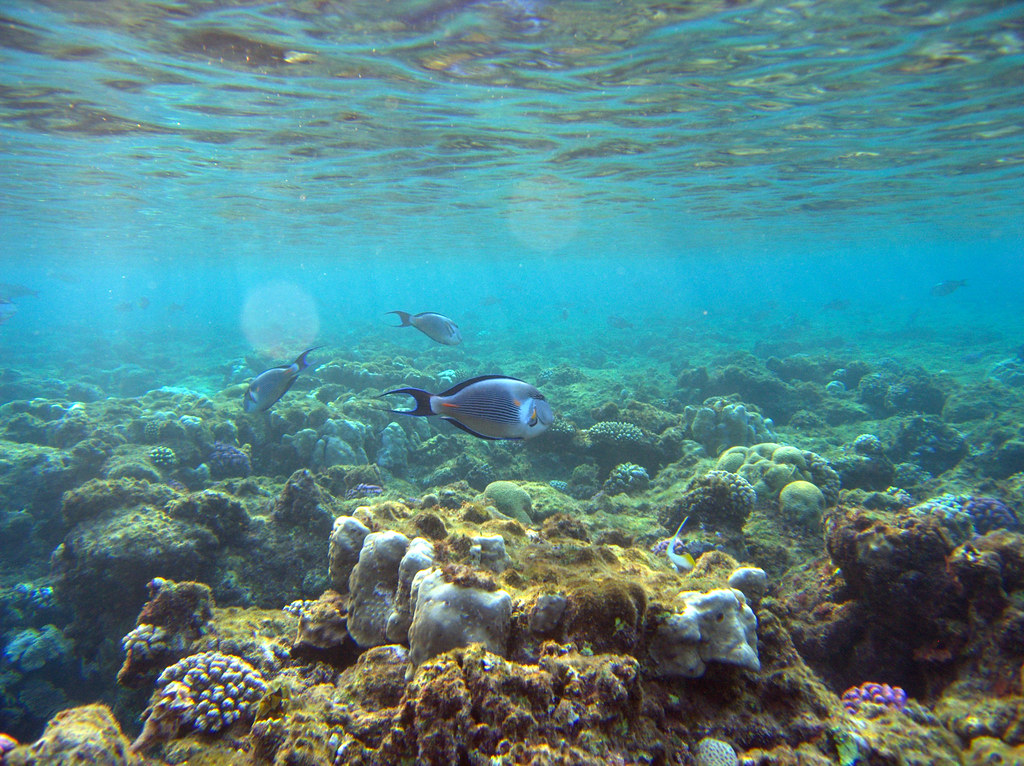
Snorkeling on coral reefs is one of the most rewarding experiences in the Red Sea. Crystal-clear water, colourful fish, and vibrant corals make it a top destination for snorkelers of all experience levels. However, coral reefs are fragile ecosystems, and even small actions can cause long-term damage.
By practising safe and responsible snorkeling, you help protect the Red Sea coral reefs while ensuring a better experience for yourself and future visitors.
Follow Local Guidelines
Most hotels will have designated areas to enter the water and buoys will be present to prevent snorkelers and swimmers for entering the area where the corals are.
Always follow instructions provided by the hotel,guides, operators, or local authorities, especially at protected sites. These rules are designed to preserve reefs and ensure visitor safety at the best snorkeling spots in the Red Sea.
If conditions are rough or visibility is poor, it’s best to wait or choose a more suitable location.
Coral reefs are living organisms that grow very slowly. A single kick, touch, or step can break coral that has taken decades to form. Responsible snorkeling helps preserve reef health, supports marine biodiversity, and keeps snorkeling sites beautiful and accessible.
If you’re new to snorkeling in the Red Sea, learning proper reef etiquette is just as important as having the right equipment.
Keep a Safe Distance from Coral
Never touch, stand on, or hold onto coral. Even light contact can damage coral tissue or introduce harmful bacteria. Always maintain enough distance to avoid accidental contact, especially in shallow areas.
This is not just for the sake of the reef, it’s also for your own safety. Many creatures on the reef can bite, or is poisenous. See the article on the most poisonous fish
Understanding the types of coral in the Red Sea can help you recognize delicate structures and avoid them while snorkeling.
Control Your Buoyancy and Fin Movement
Good buoyancy control is essential for snorkeling safely on coral reefs. Stay horizontal at the surface and use slow, controlled fin kicks. Avoid vertical movements that can cause your fins to strike coral below you.
Practising proper technique also reduces fatigue and allows you to observe more marine life in the Red Sea without disturbing it.
Do Not Feed or Chase Marine Life
Feeding fish disrupts their natural behaviour – and may cause them to behave aggressively towards humans after some time. Also it can harm their health – and it adds nutrients to a low nutrient environment.
Chasing or touching marine animals causes stress and may provoke defensive reactions. You may not think of it that way, but most animals live on the border of existence and any extra strain is expensive to them in their activity budget.
Observing wildlife calmly and respectfully leads to more natural and authentic encounters and allows you to observer the fish’s natural behaviour – AND protects the delicate balance of reef ecosystems.

Use Reef-Safe Sunscreen
Many conventional sunscreens contain chemicals that are harmful to coral reefs. Choose reef-safe sunscreen or wear UV-protective clothing such as rash guards to reduce chemical exposure in the water.
This simple choice makes a significant difference in protecting coral health at popular snorkeling sites.
Protecting the Reef for the Future
Safe and responsible snorkeling allows coral reefs to thrive and ensures unforgettable experiences for future generations. By respecting coral, marine life, and local regulations, you become part of the effort to preserve one of the Red Sea’s greatest natural treasures.

For more information, explore our guides on Red Sea coral reefs, snorkeling tips, and marine life in the Red Sea.